Why Horizon Stability Is Critical for Comfort and Immersion in VR POV Videos
Learn why horizon stability is essential in VR POV videos. Discover how stable camera alignment improves comfort, realism, and reduces motion sickness.
What Is Horizon Stability in VR?
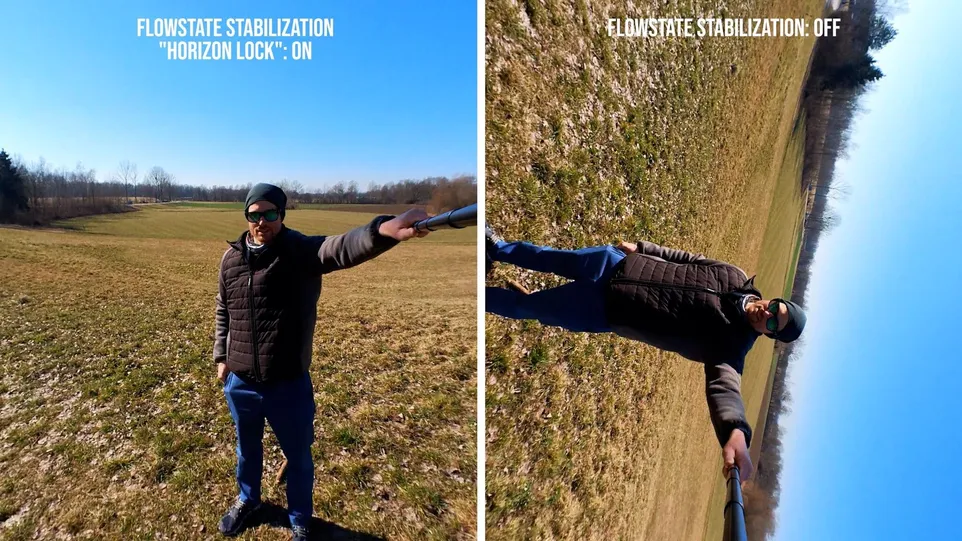
Horizon stability refers to how steady and level the visual horizon appears inside a VR experience. In real life, our brains rely on a stable horizon line to maintain balance and spatial awareness.
When the horizon in VR tilts or shifts unnaturally, the brain struggles to interpret movement correctly — which often leads to discomfort or disorientation.
Why the Brain Depends on a Stable Horizon
Humans naturally use visual reference points to stay balanced. In VR:
-
A stable horizon provides spatial grounding
-
Predictable alignment reduces mental strain
-
Consistent visual orientation improves realism
Without these anchors, viewers may feel like they are floating or losing balance.
How Horizon Instability Causes Motion Sickness
Common issues include:
-
Sudden camera tilts
-
Rolling camera motion
-
Off-axis shooting angles
-
Artificial rotation effects
These movements create sensory conflict between what viewers see and what their bodies feel.
Signs of Poor Horizon Stability in VR Videos
Watch for these red flags:
-
Slanted visual perspective
-
Uneven camera roll
-
Constant horizon wobble
-
Rapid side-to-side rotation
If a viewer needs to tilt their head frequently to “correct” the image, horizon alignment is likely poor.
Benefits of Stable Horizon Alignment
High-quality VR POV videos often maintain a level horizon because it:
-
Reduces dizziness
-
Improves viewer confidence
-
Strengthens immersion
-
Extends comfortable watch time
Camera Techniques That Improve Horizon Stability
Content creators can enhance viewer comfort by:
-
Keeping cameras level during recording
-
Using stabilization tools
-
Maintaining consistent eye-level positioning
-
Avoiding excessive rotational effects
Viewer Tips for a More Comfortable Experience
Even with high-quality videos, viewers can improve comfort:
-
Sit upright while watching
-
Keep headset straps balanced
-
Avoid rapid head tilts
-
Focus on stable visual reference points
Final Thoughts
Horizon stability is one of the most overlooked factors in VR comfort. When the visual world remains level and predictable, viewers feel grounded and immersed without unnecessary strain. Choosing VR POV content( example ) with stable horizon alignment can significantly improve both realism and long-term viewing comfort.