Why 180° VR Feels More Comfortable Than 360°
180° VR offers better comfort than 360° by reducing motion sickness, limiting head movement, and providing a clearer visual focus for viewers.

In this article
- 01What’s the Difference Between 180° VR and 360° VR ?
- 021. Reduced Neck and Head Movement
- 032. Clear Visual Focus and Attention Control
- 043. Lower Risk of Motion Sickness
- 054. Better Camera Control and Framing
- 065. More Accessible for New VR Users
- 076. Hardware Performance and Visual Stability
- 08When 360° VR Still Makes Sense
- 09Final Thoughts
Virtual reality has evolved rapidly in recent years, but not all VR formats deliver the same level of comfort. While 360° VR offers full environmental coverage, many users report that 180° VR feels noticeably more comfortable, especially during longer viewing sessions.
So why does a smaller field of view often result in a better experience? Let’s break it down.
What’s the Difference Between 180° VR and 360° VR?

Before comparing comfort, it helps to understand the core distinction.
-
180° VR displays content only in front of the viewer. You look around naturally, but the experience is focused forward.
-
360° VR surrounds the viewer completely, requiring frequent head and body movement to explore everything.
Both formats can be immersive—but immersion doesn’t always equal comfort.
Many users prefer 180° VR experiences because they provide immersion without overwhelming movement
1. Reduced Neck and Head Movement
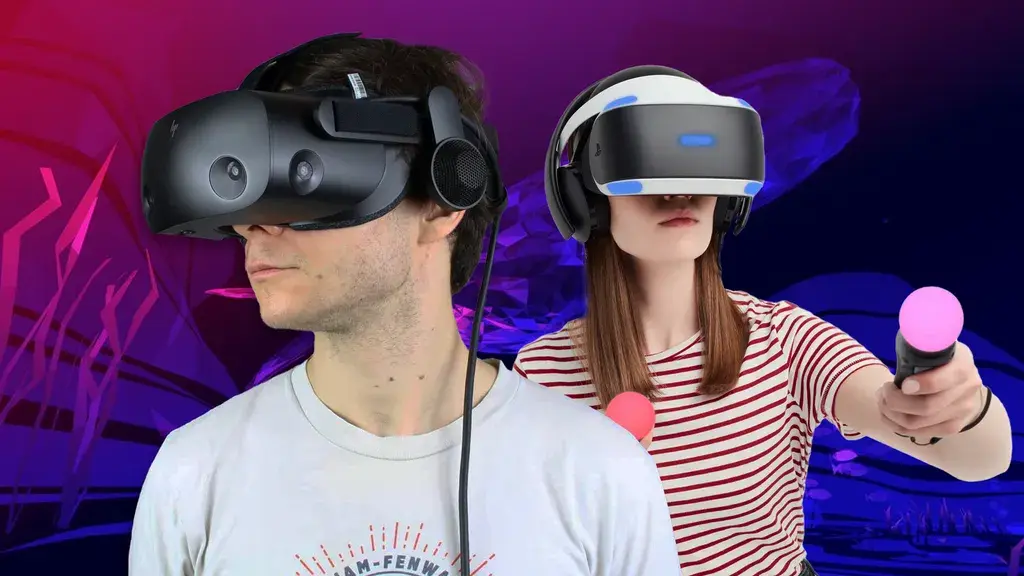
One of the biggest comfort advantages of 180° VR is physical ease.
In 360° VR:
-
Viewers constantly turn their head
-
Important action may happen behind them
-
Long sessions can cause neck strain
In 180° VR:
-
The main action stays within a natural forward view
-
Minimal head rotation is required
-
Viewers can relax instead of scanning constantly
This makes 180° VR especially appealing for casual or extended viewing.
2. Clear Visual Focus and Attention Control
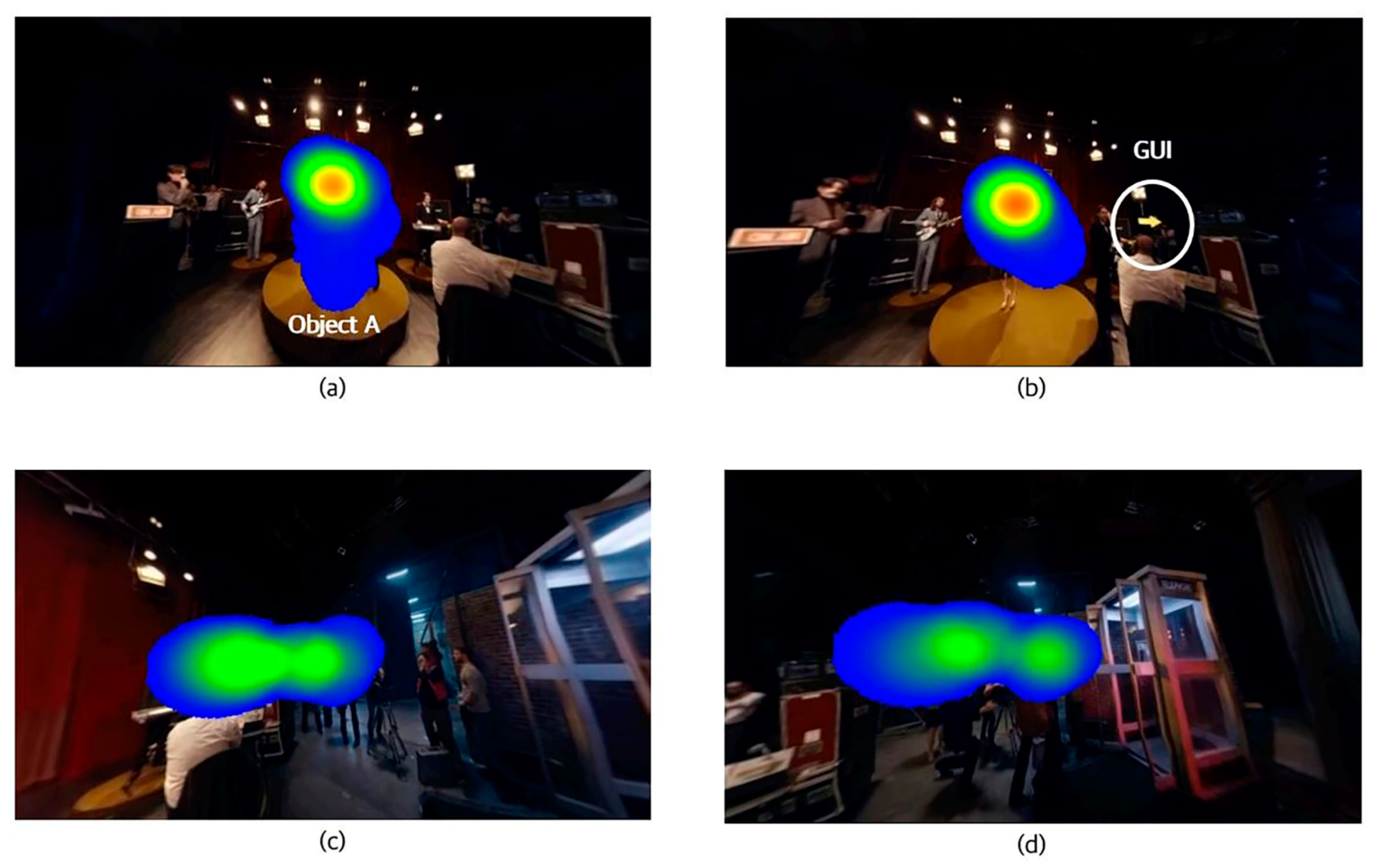
Comfort isn’t just physical—it’s cognitive.
360° VR often overwhelms users because:
-
There’s no clear focal point
-
Users worry about “missing something”
-
The brain works harder to process the environment
With 180° VR, creators guide attention more effectively:
-
The scene feels intentional
-
Viewers know where to look
-
Mental fatigue is reduced
This clarity leads to a calmer, more enjoyable experience.
3. Lower Risk of Motion Sickness
Motion sickness remains one of the biggest barriers to VR adoption.
360° VR can trigger discomfort because:
-
Peripheral motion occurs outside the user’s control
-
Sudden camera movement affects all directions
-
The brain struggles to reconcile motion and stillness
180° VR reduces these issues by:
-
Limiting motion to the forward field of view
-
Creating a more stable visual environment
-
Aligning better with how humans naturally see
For many users, this means less dizziness, less nausea, and longer sessions.
4. Better Camera Control and Framing
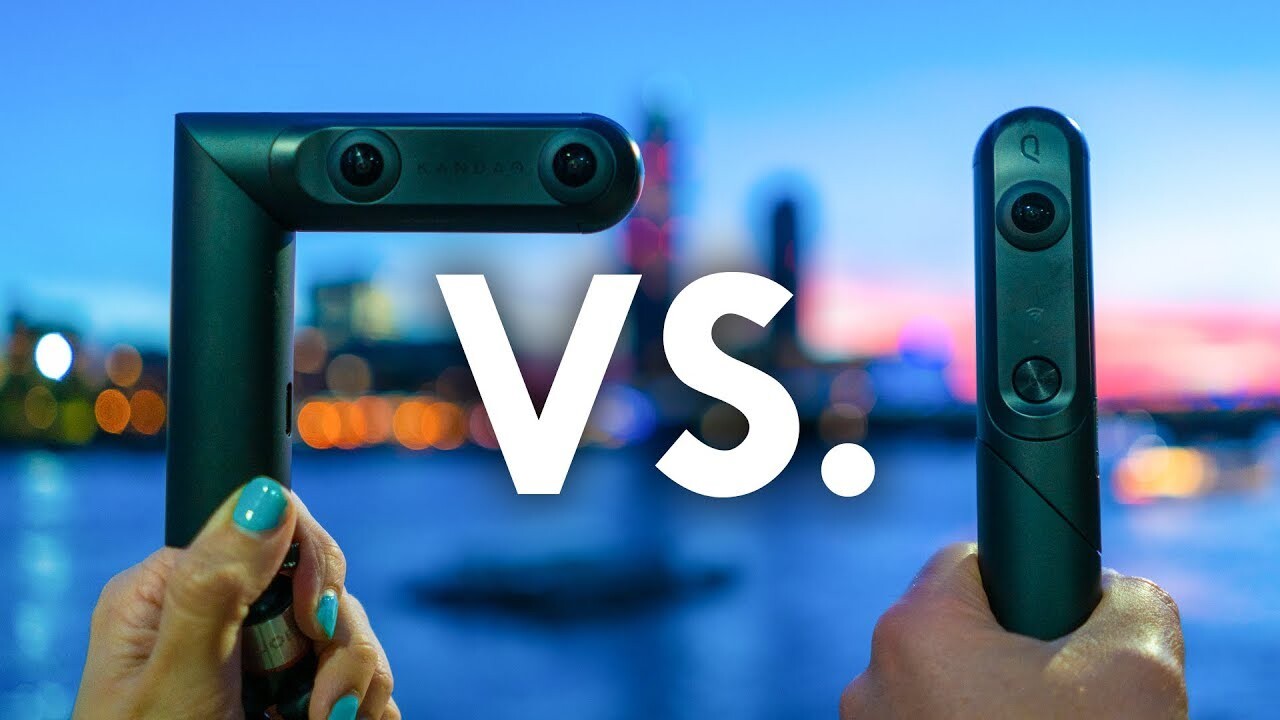
From a production standpoint, 180° VR allows for more precise camera placement.
Creators can:
-
Position the camera at natural eye level
-
Control depth and distance more accurately
-
Avoid awkward angles behind the viewer
This results in:
-
More realistic scale perception
-
Fewer immersion-breaking moments
-
A stronger sense of presence
Comfort improves when the scene feels believable and well-composed.
5. More Accessible for New VR Users
Not everyone is a VR veteran.
For beginners:
-
360° VR can feel disorienting
-
Too much freedom causes confusion
-
Users may feel out of control
180° VR offers:
-
A gentle introduction to VR
-
Familiar viewing behavior
-
Lower learning curve
This accessibility makes 180° VR ideal for onboarding new audiences.
6. Hardware Performance and Visual Stability
Comfort is also influenced by performance.
360° VR:
-
Requires higher rendering demands
-
Is more sensitive to frame drops
-
Can amplify discomfort if performance dips
180° VR:
-
Uses fewer visual resources
-
Maintains smoother playback
-
Feels more stable on a wider range of devices
Stable visuals = comfortable viewing.
When 360° VR Still Makes Sense
That said, 360° VR isn’t “bad”—it’s just better suited for specific use cases:
-
Exploration-based experiences
-
Virtual tourism
-
Interactive simulations
But for passive viewing, storytelling, and POV-style experiences, 180° VR often delivers superior comfort.
Final Thoughts
Comfort is a critical factor in how users perceive VR quality. While 360° VR offers total freedom, it can also introduce physical strain, cognitive overload, and motion discomfort.
180° VR strikes a balance:
-
Immersive without overwhelming
-
Engaging without exhausting
-
Comfortable for both new and experienced users
That’s why many modern VR experiences—and users—are gravitating toward 180° formats.