What Makes a VR Experience Feel Natural?
A natural VR experience is one where the viewer forgets they are watching a virtual environment. Instead of thinking about technology, controls, or visuals, they simply exist inside the scene. This...
In this article
A natural VR experience is one where the viewer forgets they are watching a virtual environment. Instead of thinking about technology, controls, or visuals, they simply exist inside the scene.
This sense of naturalness does not come from a single factor. It is created by the careful combination of visual accuracy, motion behavior, audio cues, and human perception. When these elements align, VR feels intuitive rather than artificial.
Natural Movement and Perspective
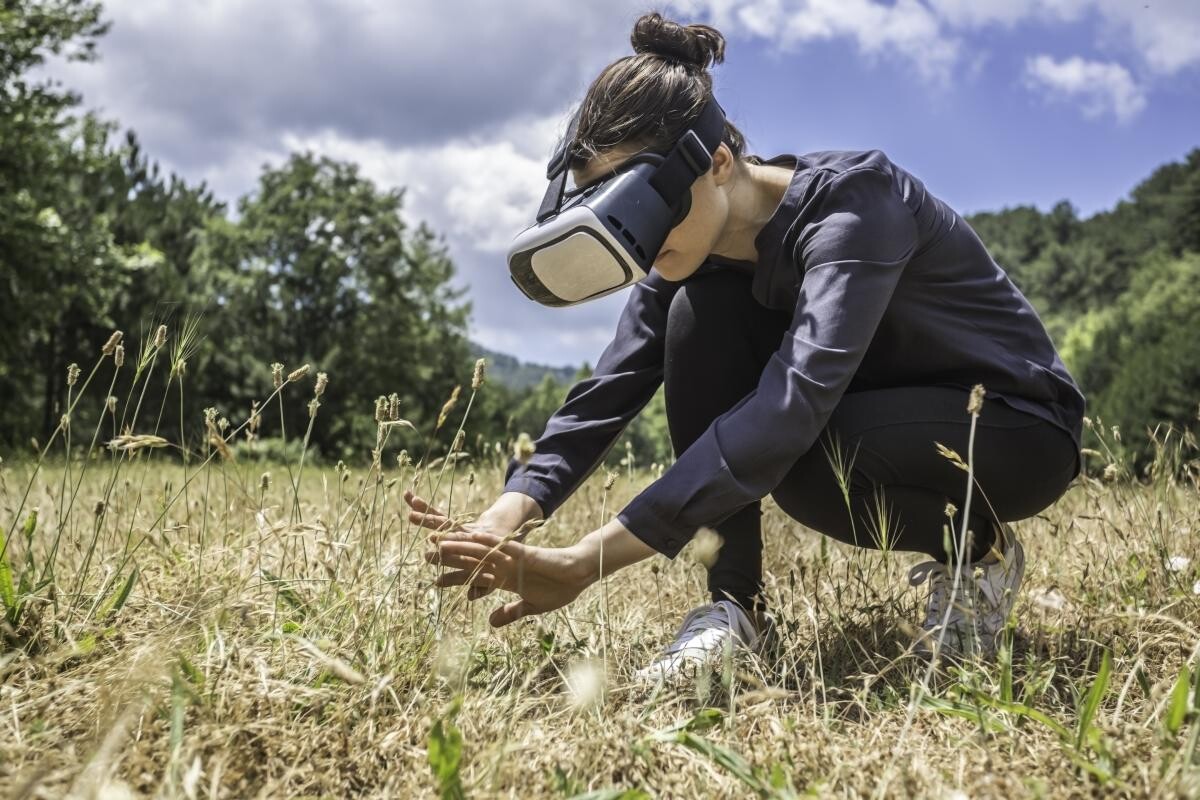
One of the most important elements of a natural VR experience is movement that matches real-world expectations.
Natural VR movement includes:
-
Head movement that directly controls the viewing angle
-
Stable camera positioning that matches eye level
-
Smooth transitions without sudden jumps
When movement behaves as expected, the brain quickly accepts the virtual environment as real.
Accurate Scale and Proportions
Scale plays a critical role in realism. Objects in VR must appear the correct size relative to the viewer and to each other.
Problems arise when:
-
Objects feel unnaturally large or small
-
Distances are difficult to judge
-
Perspective changes break spatial consistency
Accurate scale helps the viewer intuitively understand the space without conscious effort.
Realistic Depth Perception
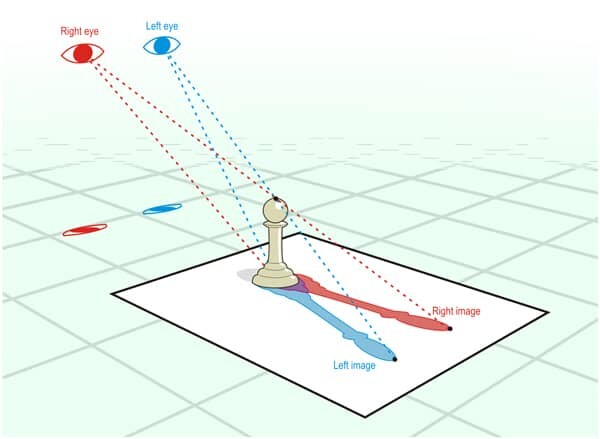
Depth perception allows viewers to understand how far away objects are and how they relate spatially.
A natural VR experience relies on:
-
Clear separation between foreground and background
-
Consistent stereoscopic depth
-
Stable spatial relationships during movement
When depth is handled well, the virtual environment feels solid and believable.
Smooth and Consistent Motion
Motion quality strongly affects comfort and immersion. Smooth motion allows the brain to synchronize visual input with physical expectations.
Key factors include:
-
Stable frame rate
-
Predictable motion paths
-
No sudden acceleration or deceleration
Consistent motion prevents distraction and helps maintain presence.
Spatial Audio That Matches Visuals
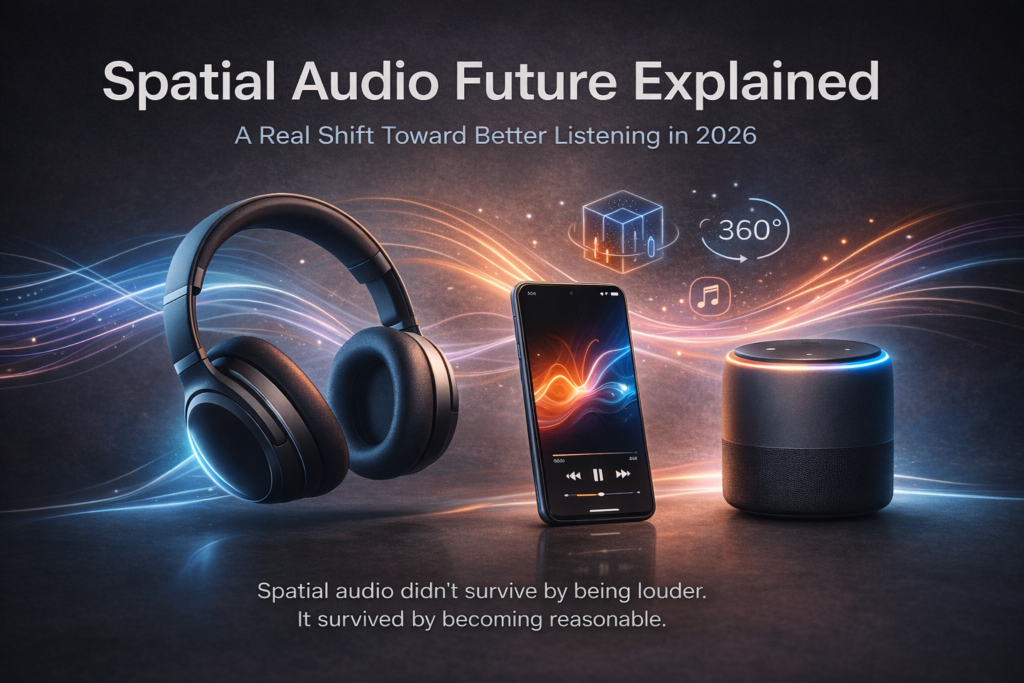
Sound plays a powerful role in natural perception. In VR, audio should feel anchored to the environment rather than layered on top.
Natural audio characteristics include:
-
Directional sound that matches object location
-
Realistic distance-based volume changes
-
Ambient sounds that reflect the environment
When audio matches visuals, the experience feels more complete and grounded.
Minimal Forced Interaction
A natural VR experience respects the viewer’s autonomy. Forced actions or aggressive guidance often break immersion.
Good VR design:
-
Allows viewers to explore naturally
-
Avoids unnecessary prompts
-
Uses subtle cues rather than direct instructions
This approach makes the experience feel organic rather than controlled.
Visual Clarity Without Overload
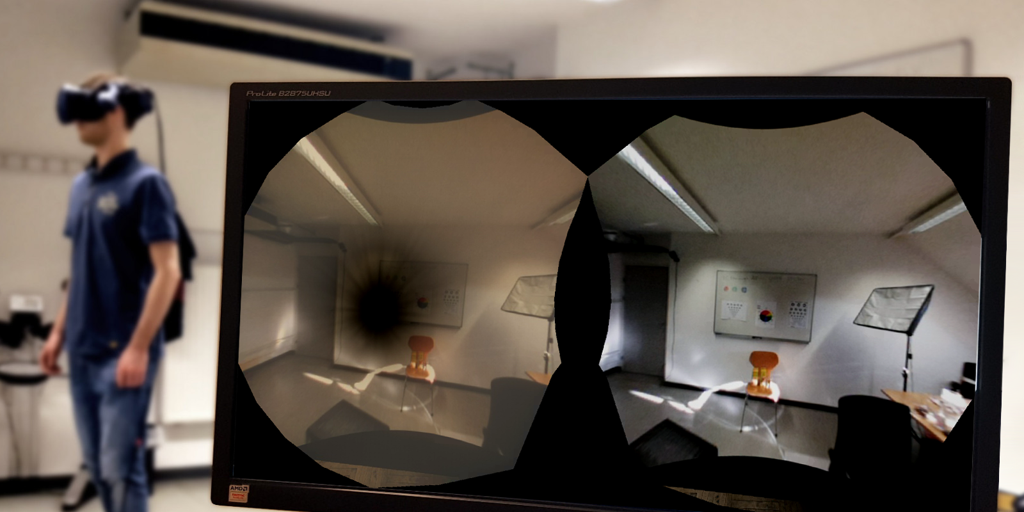
Clarity does not mean excessive detail. A natural VR environment balances realism with simplicity.
Effective clarity includes:
-
Clean visuals without clutter
-
Clear focal points
-
Comfortable lighting and contrast
Too much visual information can overwhelm the viewer and reduce immersion.
Comfort as a Foundation of Naturalness
Comfort is not optional—it is fundamental. A VR experience that causes discomfort will never feel natural.
Comfort-focused design avoids:
-
Abrupt scene changes
-
Extreme close-up perspectives
-
Excessive motion
When comfort is prioritized, viewers can relax and fully engage with the experience.
Final Thoughts
A VR experience feels natural when technology fades into the background. Accurate movement, realistic scale, strong depth perception, smooth motion, spatial audio, and viewer comfort all contribute to this effect.
Rather than relying on a single technical feature, natural VR emerges from balance. When all elements work together, the result is an immersive experience that feels intuitive, believable, and engaging.