Why Frame Rate Matters in VR Video Quality
Learn why frame rate is crucial for VR video quality, comfort, and immersion, and how smooth motion improves the overall virtual reality experience.
In this article
- 01What Is Frame Rate in VR Video?
- 02Why Frame Rate Is More Important in VR Than in Regular Video
- 03Common Frame Rates Used in VR Content
- 04How Frame Rate Affects Comfort and Motion Sickness
- 05Frame Rate vs Resolution: Which Matters More?
- 06Hardware and Playback Considerations
- 07Why High Frame Rate Improves Immersion
- 08Final Thoughts
Virtual reality video has changed the way people experience immersive content. Unlike traditional flat video, VR places the viewer directly inside the scene. Because of this, technical factors such as resolution, field of view, and frame rate play a much bigger role in comfort and realism.
Among these factors, frame rate is often misunderstood or underestimated. In reality, it is one of the most important elements that determines whether a VR video feels smooth and natural—or uncomfortable and distracting.
What Is Frame Rate in VR Video?
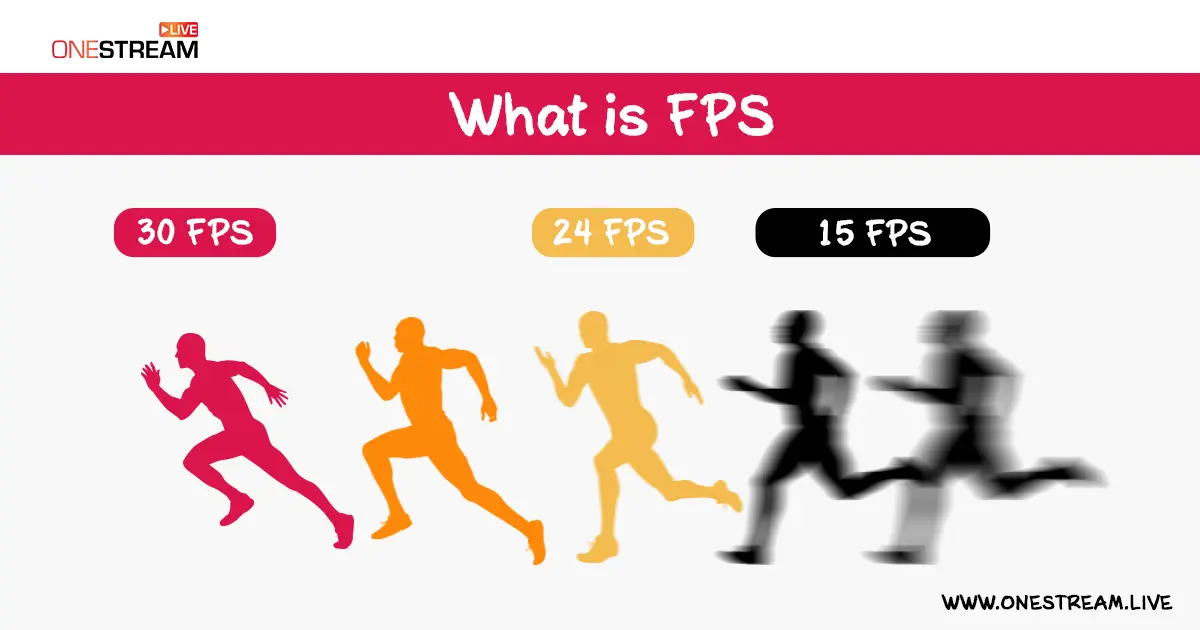
Frame rate refers to the number of individual images (frames) displayed per second, commonly measured in frames per second (FPS). In standard video, 24 or 30 FPS is often enough. In VR, however, those numbers are usually not sufficient.
Because VR content fills your entire field of view and responds to head movement, low frame rates can quickly break immersion. Even small drops in smoothness are much more noticeable in VR than on a traditional screen.
Why Frame Rate Is More Important in VR Than in Regular Video
In a VR environment, your brain expects motion to behave like real life. When you turn your head, the image should move instantly and smoothly. If the frame rate is too low, the motion feels delayed or choppy.
This can cause several issues:
-
Reduced sense of presence
-
Eye strain and discomfort
-
Motion sickness for some users
-
A less immersive overall experience
High frame rates help align what you see with how your body naturally moves, making the experience feel more realistic and comfortable.
Common Frame Rates Used in VR Content
Most VR platforms aim for higher frame rates than standard video. Some common benchmarks include:
-
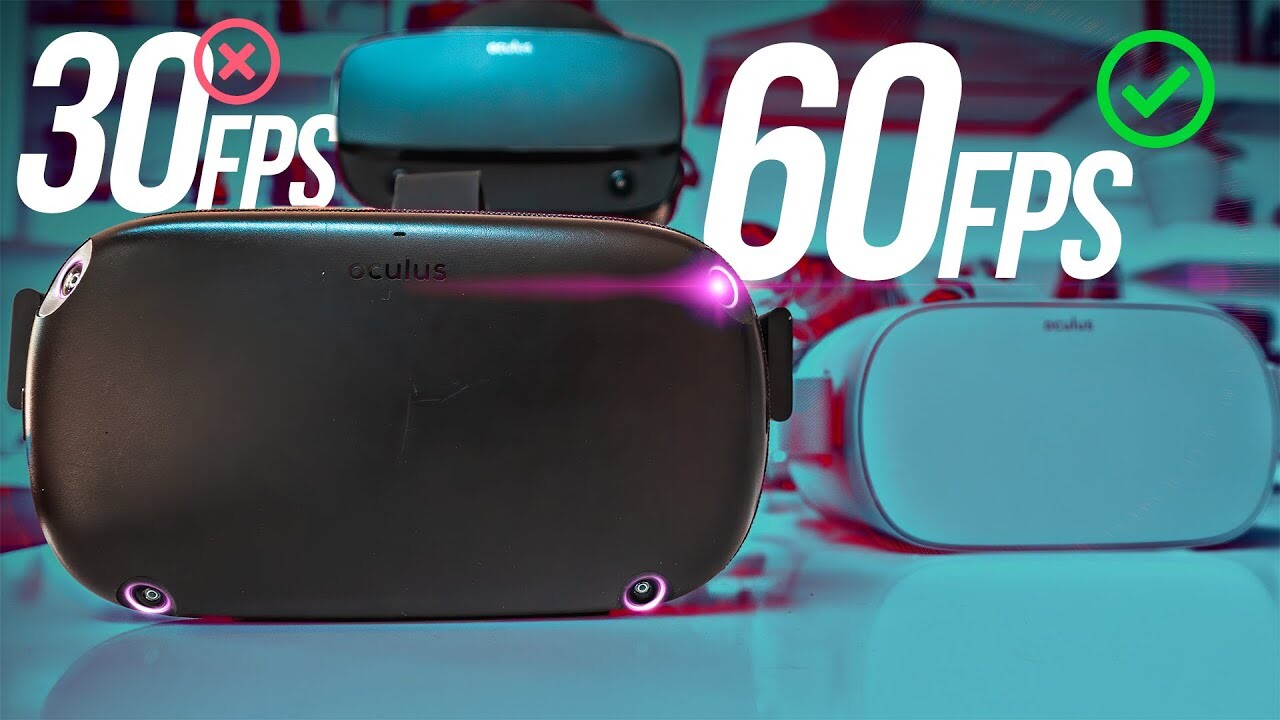
30 FPS: Generally considered too low for VR, often causing noticeable stutter
-
60 FPS: A minimum acceptable level for many VR videos
-
90 FPS: Ideal for smooth head tracking and natural motion
-
120 FPS: Premium-level smoothness for high-end headsets
While not all VR videos reach 90 FPS or higher, content recorded at 60 FPS or above usually offers a much better experience than lower frame rates.
How Frame Rate Affects Comfort and Motion Sickness
One of the main reasons frame rate matters is physical comfort. In VR, your eyes and inner ear work together to understand motion. When visual motion does not match physical movement, the brain becomes confused.
Low frame rates increase the chance of:
-
Visual lag during head movement
-
Inconsistent motion cues
-
Discomfort after short viewing sessions
Higher frame rates reduce these problems by delivering smoother, more consistent motion. This is especially important for longer VR sessions or content designed to feel close and immersive.
Frame Rate vs Resolution: Which Matters More?
Many people focus heavily on resolution, such as 4K or 8K, but frame rate can be just as important—sometimes more.
A very high-resolution VR video with a low frame rate may look sharp but feel uncomfortable. On the other hand, a slightly lower resolution with a higher frame rate often feels smoother and more enjoyable.
The best VR experiences balance both:
-
Sufficient resolution for visual clarity
-
High frame rate for smooth motion and comfort
Hardware and Playback Considerations
Frame rate is not only about the video itself. Playback hardware also plays a role.
Factors that affect perceived frame rate include:
-
VR headset refresh rate
-
Device processing power
-
Video compression and streaming quality
-
Player software optimization
Even a high-FPS video can feel choppy if the device cannot maintain consistent playback. This is why optimized encoding and compatible hardware are essential for high-quality VR experiences.
Why High Frame Rate Improves Immersion
Immersion is the feeling of truly being inside a virtual space. Smooth motion is a key part of this illusion.
Higher frame rates:
-
Make movement feel natural
-
Reduce visual distractions
-
Allow the viewer to focus on the experience instead of technical flaws
When frame rate is handled well, the viewer forgets they are watching a video and becomes more engaged with the virtual environment.
Final Thoughts
Frame rate is one of the most critical elements of VR video quality. While resolution and visual detail are important, smooth motion is what makes a VR experience comfortable and immersive.
As VR technology continues to evolve, higher frame rates will become the standard rather than the exception. Understanding their importance helps viewers choose better content and allows creators to deliver more realistic and engaging experiences.
A well-balanced VR video—combining proper frame rate, resolution, and audio—creates a viewing experience that feels natural, immersive, and enjoyable from start to finish.