Why POV Content Feels More Personal in VR
POV content in VR creates a stronger sense of presence by placing viewers directly inside the experience. This article explains why first-person perspective feels more personal and immersive in virtual reality.
In this article
One of the most powerful aspects of virtual reality is its ability to make experiences feel personal. Among different VR formats, POV (Point of View) content stands out as especially immersive because it places the viewer directly inside the perspective of the scene.
Rather than observing events from the outside, POV VR makes the viewer feel like an active participant. This shift in perspective is what creates a stronger emotional and psychological connection.
What Is POV in VR?
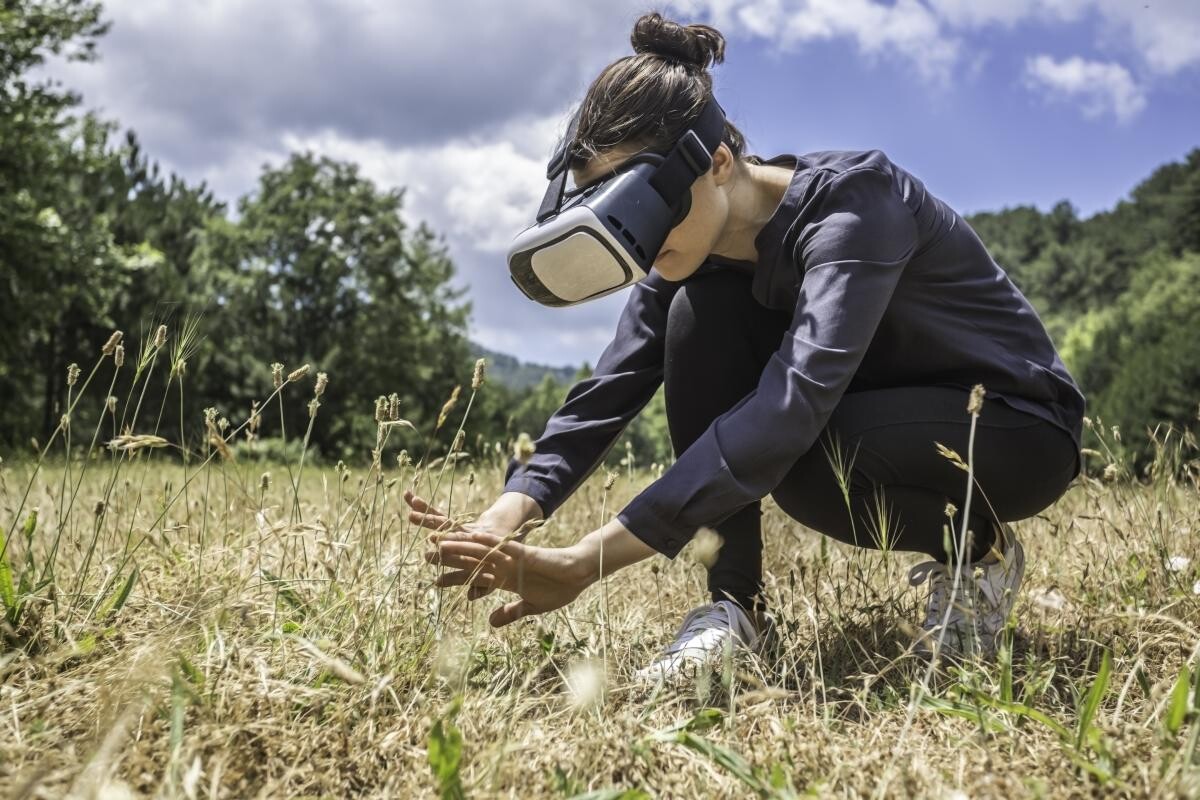
POV, or point of view, refers to content filmed from the perspective of the participant’s eyes. In VR, this means the camera represents where the viewer’s head would naturally be.
Unlike third-person or fixed-angle VR:
-
The viewer sees the world as if they are physically present
-
Movements feel directly connected to their own head motion
-
The environment responds naturally to where they look
This alignment between vision and perspective makes POV especially effective.
The Psychological Impact of First-Person Perspective
Humans naturally experience the world in first person. POV VR matches this instinctive way of perceiving reality.
When content is presented in POV:
-
The brain processes the experience as “happening to me”
-
Emotional engagement increases
-
The sense of presence becomes stronger
This psychological effect is why POV content often feels more personal and immersive than other formats.
Stronger Sense of Presence
Presence is the feeling of truly being inside a virtual environment. POV content enhances presence by removing the distance between the viewer and the scene.
POV achieves this by:
-
Eliminating external viewpoints
-
Aligning visual input with natural head movement
-
Making interactions feel immediate
As a result, the viewer is less aware of the technology and more focused on the experience itself.
Natural Eye-Level Perspective
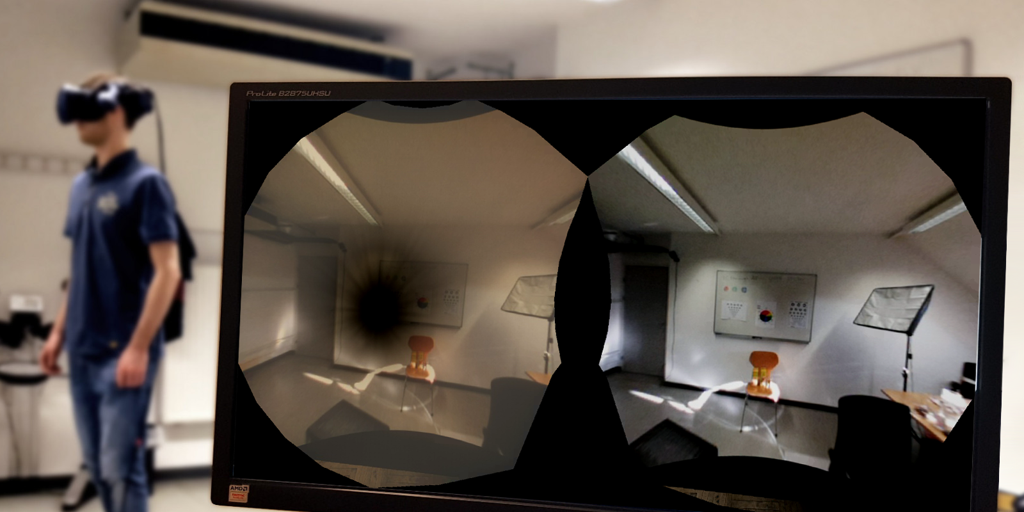
POV VR typically places the camera at natural eye level. This subtle detail has a significant impact on realism
Eye-level perspective helps:
-
Maintain correct scale and proportions
-
Prevent visual discomfort
-
Make environments feel believable
When the perspective feels natural, the experience becomes easier for the brain to accept.
Increased Emotional Connection
Because POV content feels personal, emotional responses tend to be stronger. The viewer is not watching someone else’s experience—they are inside it.
This leads to:
-
Greater emotional engagement
-
Stronger memory of the experience
-
A deeper sense of connection to the environment
POV creates intimacy through perspective rather than narrative alone.
Reduced Barriers Between Viewer and Scene
Traditional video places a screen between the viewer and the content. POV VR removes that barrier.
With POV:
-
The viewer feels closer to the environment
-
Interactions feel direct rather than observed
-
The experience feels less like media and more like reality
This reduction of distance is a key reason POV feels more personal.
POV vs Other VR Perspectives
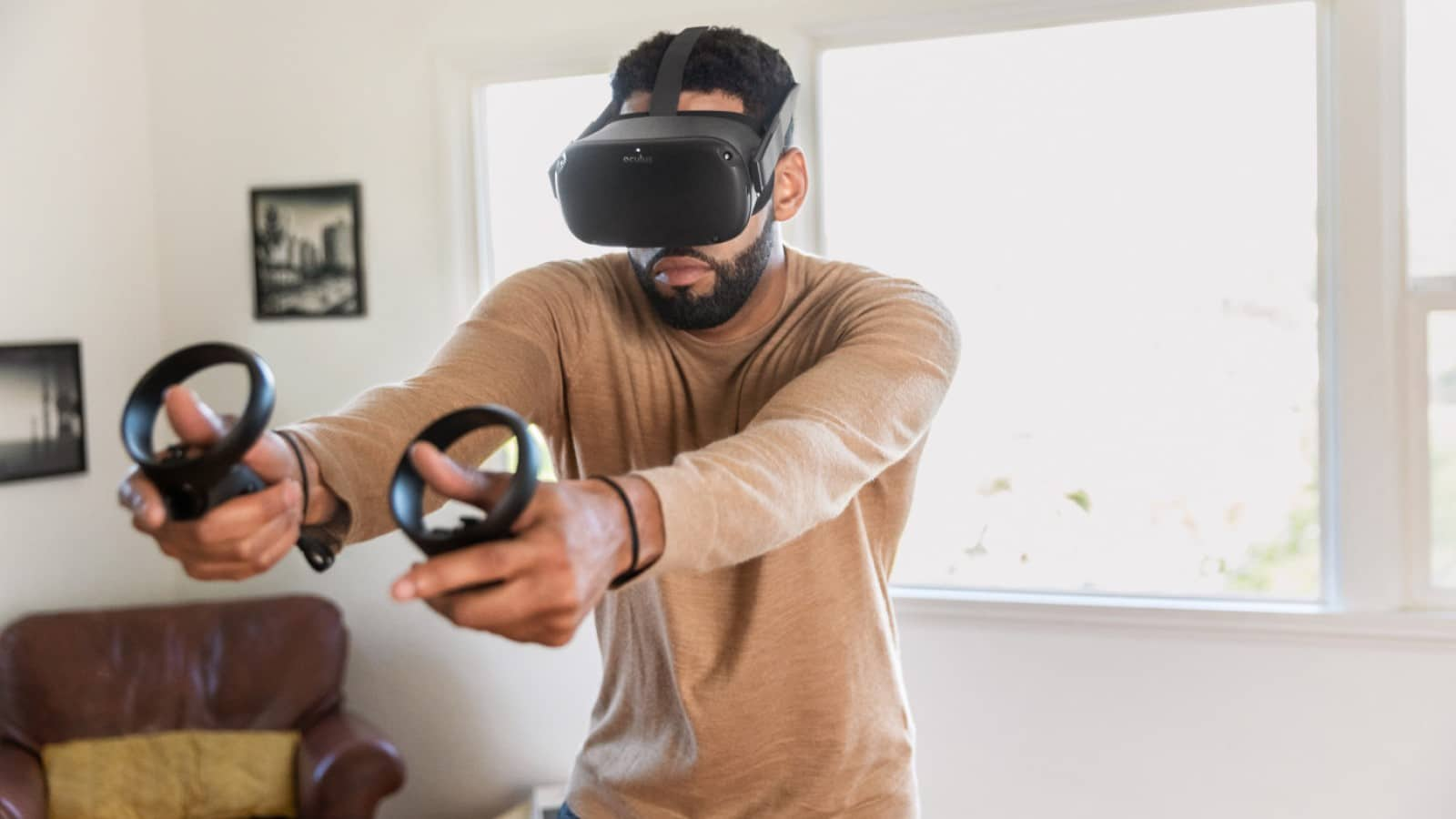
Other VR formats can still be immersive, but they often feel more observational.
Compared to POV:
-
Third-person views feel less personal
-
Fixed cameras reduce agency
-
External perspectives weaken presence
POV consistently delivers the strongest feeling of “being there.”
Comfort and Control in POV Experiences
POV content gives viewers control over where they look, which improves comfort and immersion.
Benefits include:
-
Fewer forced viewpoints
-
Natural exploration of the environment
-
Reduced disorientation
When viewers control their perspective, the experience feels intuitive rather than imposed.
Final Thoughts
POV content feels more personal in VR because it mirrors how humans naturally experience the world. By aligning perspective, movement, and perception, POV creates a strong sense of presence and emotional connection.
Rather than watching an experience unfold, the viewer becomes part of it. This is why POV remains one of the most effective formats for delivering immersive, natural-feeling VR experiences.
You can explore how first-person perspective works in practice through our POV VR video experiences, where camera placement and perspective are designed to feel natural.