First-Person vs Third-Person VR: Which Is More Immersive?
Virtual reality offers multiple ways to experience a scene, but two of the most common perspectives are first-person and third-person. Each approach creates a different relationship between the...
In this article
Virtual reality offers multiple ways to experience a scene, but two of the most common perspectives are first-person and third-person. Each approach creates a different relationship between the viewer and the virtual environment.
Understanding how these perspectives affect immersion helps explain why some VR experiences feel deeply engaging while others feel more observational.
What Is First-Person VR?
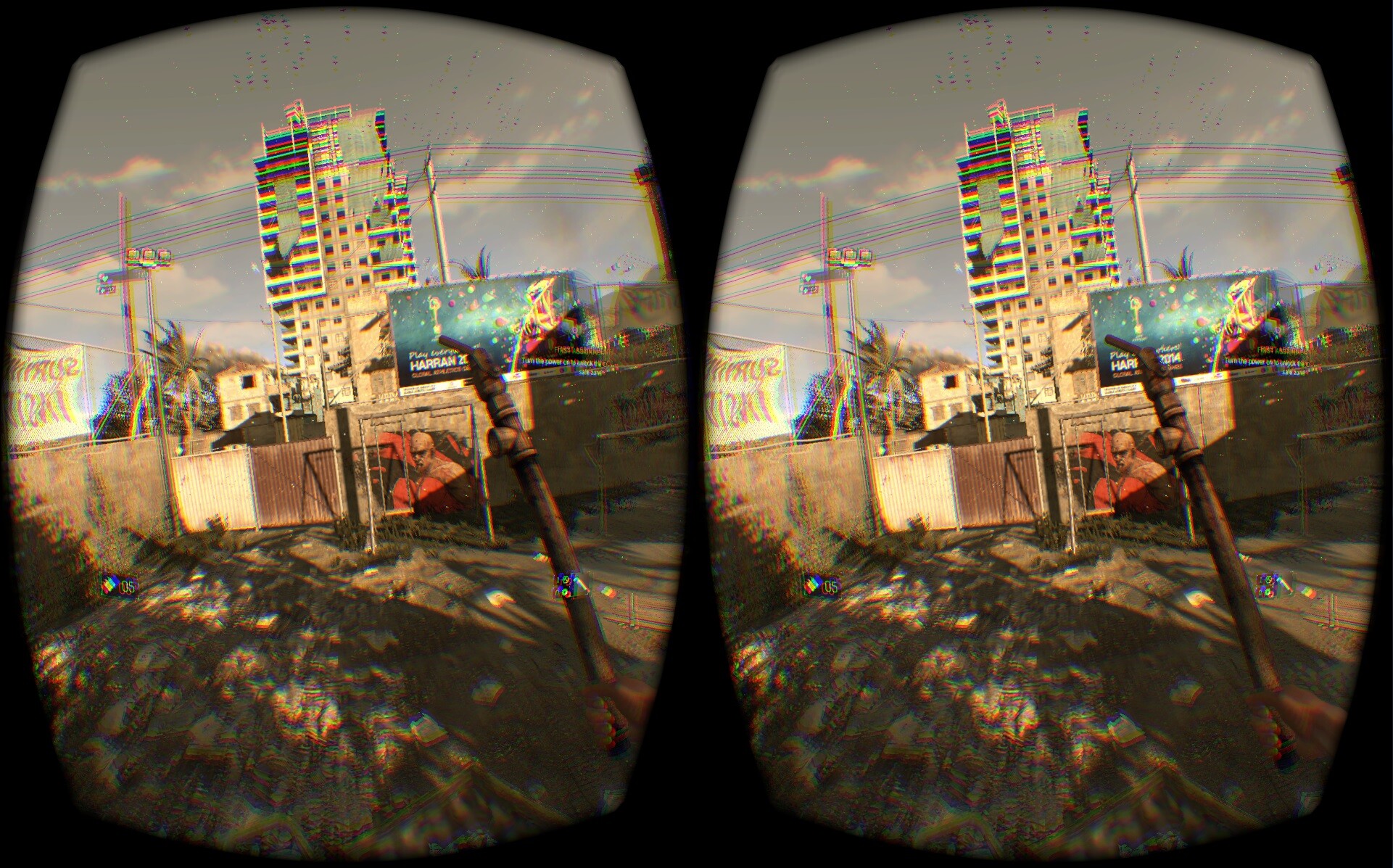
First-person VR places the viewer directly inside the experience. The camera represents the viewer’s eyes, allowing them to see and explore the environment as if they are physically present.
Key characteristics of first-person VR:
-
Natural eye-level perspective
-
Head movement directly controls the view
-
Strong sense of presence
-
High emotional engagement
This perspective closely matches how humans experience the real world.
What Is Third-Person VR?
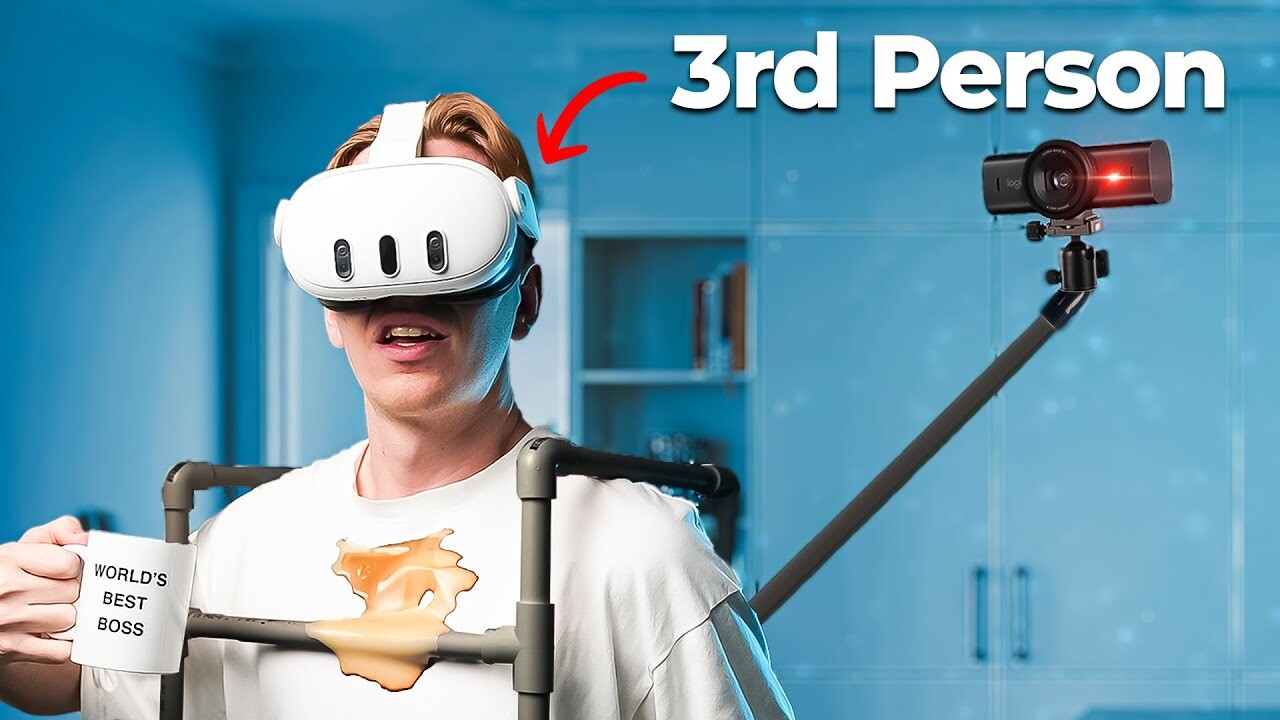
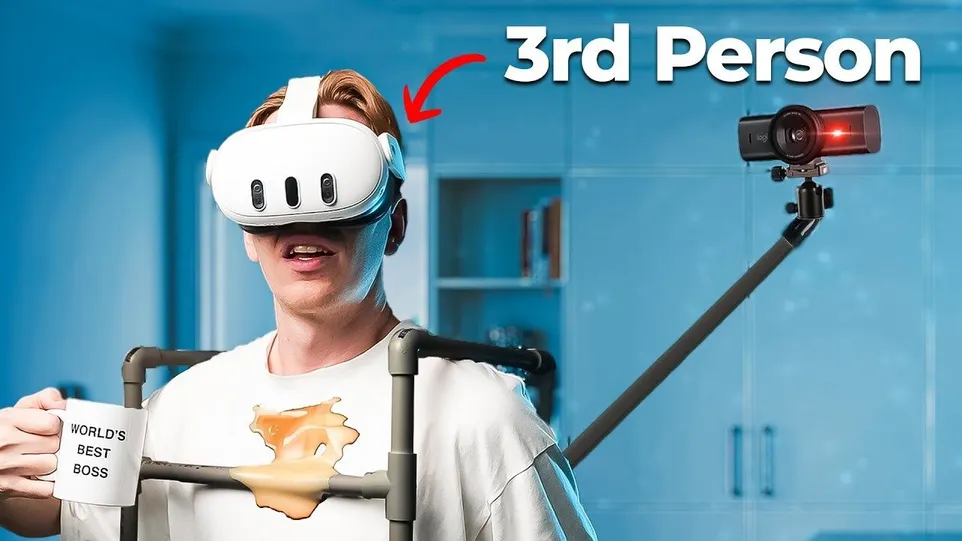
Third-person VR allows viewers to observe the scene from an external viewpoint. Instead of seeing through the eyes of the participant, the viewer watches events unfold from a distance.
Common traits of third-person VR:
-
Fixed or semi-fixed camera positions
-
Wider view of the environment
-
Reduced personal involvement
-
More cinematic or observational feel
This perspective is often used for storytelling or demonstration-focused experiences.
Immersion and Sense of Presence
Immersion depends heavily on presence—the feeling of “being there.”
-
First-person VR creates strong presence by aligning perspective, movement, and perception.
-
Third-person VR maintains a layer of separation between the viewer and the scene.
Because first-person VR removes the external viewpoint, it generally feels more immersive and personal.
Perspective and Emotional Engagement
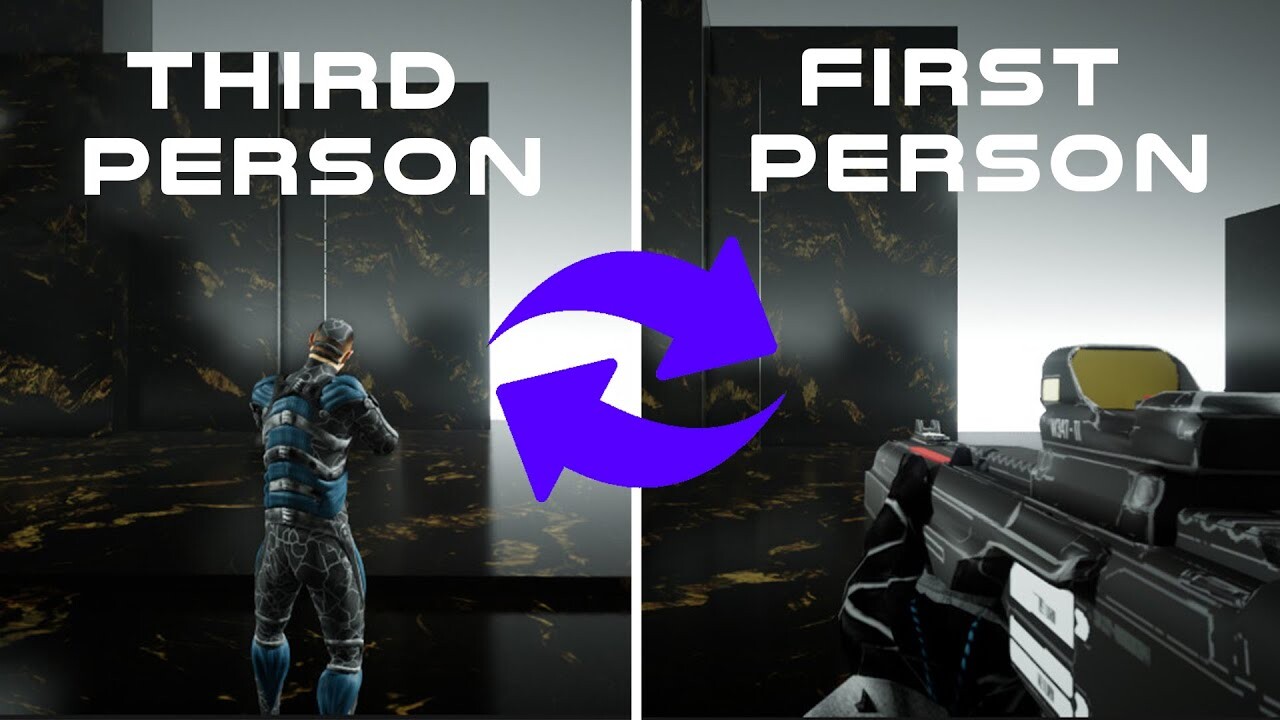
Perspective influences how emotionally connected viewers feel.
-
In first-person VR, experiences feel like they are happening to the viewer.
-
In third-person VR, experiences feel like something the viewer is watching.
As a result, first-person VR tends to generate stronger emotional responses, while third-person VR feels more detached.
Control and Viewer Agency
Viewer agency plays a major role in immersion.
First-person VR:
-
Gives full control over where to look
-
Encourages natural exploration
-
Feels intuitive and responsive
Third-person VR:
-
Limits perspective control
-
Relies on camera framing
-
Can feel restrictive in comparison
Greater control generally leads to deeper immersion.
Comfort and Motion Perception
Comfort is essential in VR experiences.
-
First-person VR, when designed properly, aligns visual input with head movement, improving comfort. (immersive VR video examples)
-
Third-person VR can feel more stable but may reduce immersion due to limited perspective changes.
Poor implementation of either approach can cause discomfort, but first-person VR offers more natural motion cues.
Use Cases for Each Perspective
Both perspectives have valid applications.
First-person VR works best for:
-
Immersive exploration
-
Training and simulation
-
Experiences focused on presence
Third-person VR works well for:
-
Narrative storytelling
-
Educational demonstrations
-
Overview-based experiences
The choice depends on the goal of the experience.
Which Perspective Is More Immersive?
From an immersion standpoint, first-person VR is generally more immersive. It places the viewer at the center of the experience, enhances presence, and strengthens emotional connection.
Third-person VR offers clarity and structure but sacrifices some immersion by keeping the viewer at a distance.
Final Thoughts
Both first-person and third-person VR have their strengths, but they deliver fundamentally different experiences. First-person VR (examples) excels at immersion by mirroring how humans naturally perceive the world, while third-person VR provides a more observational and controlled viewpoint.
For experiences focused on presence, realism, and personal connection, first-person VR remains the more immersive option.
“One of the strongest contributors to a natural VR experience is camera perspective.
Many natural POV VR experiences use first-person camera placement to maintain realism.”