The Dawn of Science-Backed Pleasure
We're witnessing a genuine paradigm shift in the world of sexual wellness. For decades, the intimate product industry focused almost exclusively on one thing: stimulation. Bigger motors, more patterns, stronger vibrations. But in 2026, a quieter revolution is happening—one that asks a fundamentally different question: What if your pleasure device could actually improve your health?
The convergence of sex tech and health tech isn't just a marketing gimmick. It represents a genuine scientific frontier where photobiology, material science, and human sexuality research intersect. And the results are fascinating.
What Is Red Light Therapy (RLT)?
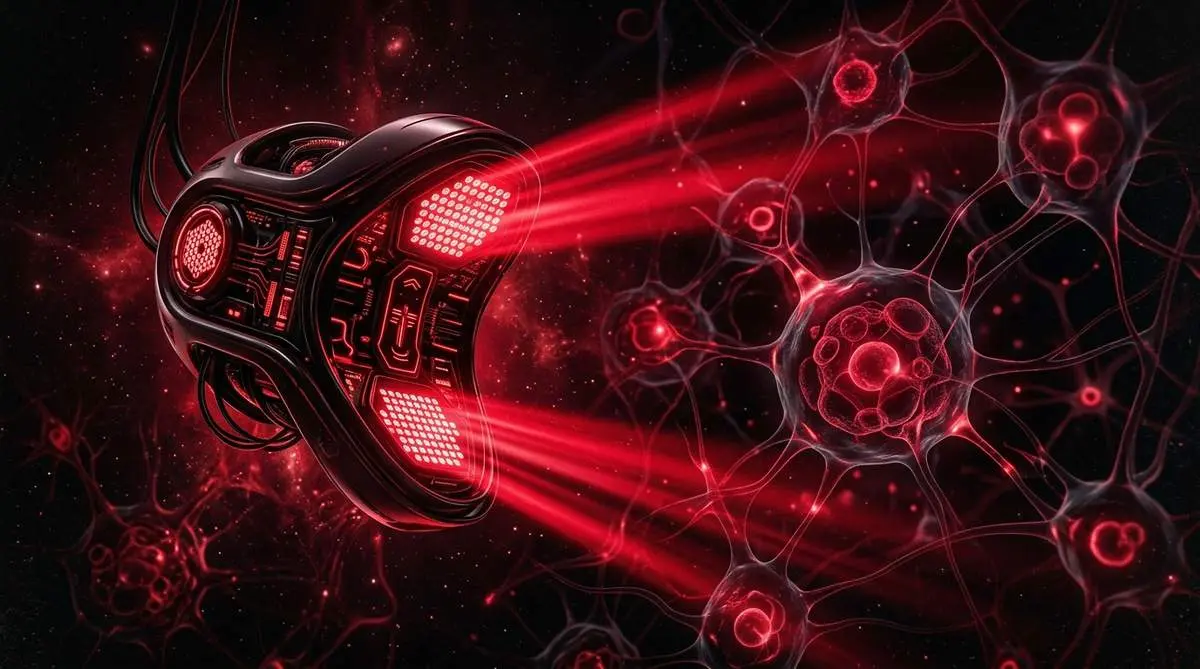
Red Light Therapy—also known as photobiomodulation (PBM)—uses specific wavelengths of light (typically 630-670nm for red and 810-850nm for near-infrared) to penetrate human tissue and trigger biological responses at the cellular level.
Here's the simplified science: when these light wavelengths reach your cells, they interact with cytochrome c oxidase, an enzyme in the mitochondria. This interaction boosts the production of adenosine triphosphate (ATP)—essentially your cells' energy currency. More ATP means:
- Accelerated tissue repair and regeneration
- Increased collagen and elastin production
- Enhanced blood microcirculation
- Reduced inflammation at the cellular level
- Improved cellular metabolism and waste removal
RLT has been used in dermatology, sports medicine, and wound healing for years. Over 6,000 peer-reviewed studies support its efficacy. Now, it's entering the intimate wellness space.
How Sex Tech Is Integrating Light Therapy
The latest generation of premium intimate devices now integrates medical-grade LED arrays directly into their body-safe silicone construction. These aren't your average vibrators with a red LED slapped on for aesthetics. The engineering involves:
- Precise wavelength calibration: Using the exact frequencies shown in clinical studies to be effective for tissue health
- Optimal power density: Delivering enough light energy (measured in mW/cm²) to trigger photobiomodulation without generating heat
- Strategic placement: Positioning the LED array where it can target pelvic floor tissue, vaginal walls, and G-spot area
The result is a dual-action device: traditional vibration for immediate pleasure, plus red light therapy for long-term tissue health benefits.
The Intimate Health Benefits
Why would anyone want red light therapy in their most intimate areas? The science is compelling:
Vaginal Tissue Rejuvenation
As women age—or after childbirth, hormonal changes, or menopause—vaginal tissue can lose elasticity and natural moisture production decreases. RLT stimulates fibroblast activity, promoting collagen synthesis that helps restore tissue firmness and elasticity.
Improved Natural Lubrication
By enhancing blood microcirculation to the pelvic region, RLT supports the body's natural lubrication mechanisms. Improved blood flow means better-functioning Bartholin's glands and vaginal transudate production.
Pelvic Floor Support
Emerging research suggests that photobiomodulation may support pelvic floor muscle tone and recovery, particularly relevant for postpartum women or those experiencing pelvic floor dysfunction.
Pain and Discomfort Reduction
For those who experience dyspareunia (painful intercourse), the anti-inflammatory properties of RLT may help reduce tissue inflammation and sensitivity over time with regular use.
| Feature | Traditional Vibrators | RLT-Enhanced Devices |
|---|---|---|
| Primary Function | Vibration-based stimulation | Vibration + Photobiomodulation |
| Cellular Impact | None | Boosts ATP, collagen synthesis |
| Long-Term Benefits | Temporary pleasure | Tissue health, elasticity, moisture |
| Pain Management | N/A | Anti-inflammatory properties |
| Post-Menopausal Support | Limited | Clinically supported benefits |
| Safety Profile | Body-safe silicone | Body-safe silicone + FDA-cleared LEDs |
Is Internal Red Light Therapy Safe?
This is the question everyone asks first—and rightfully so. Here's what the science says:
- Medical-grade LEDs, not lasers: These devices use light-emitting diodes, not concentrated laser beams. The risk profile is fundamentally different.
- Non-thermal: Properly designed RLT devices don't generate heat that could damage delicate tissue. The light wavelengths pass through tissue without thermal effect.
- FDA-cleared wavelengths: The specific red and near-infrared frequencies used have been extensively studied in clinical dermatology and declared safe.
- No UV exposure: Unlike sunlight, these devices emit only targeted visible red and near-infrared wavelengths—no ultraviolet radiation.
That said, always consult with your healthcare provider before adding any new wellness technology to your routine, especially if you have specific pelvic health conditions.
The Bigger Picture: Where Sex Tech Is Heading
Red light therapy integration is just one example of a much larger trend. The sex tech industry in 2026 is increasingly borrowing from medical technology:
- AI-powered personalization: Devices that learn your response patterns and adapt in real-time
- Biofeedback sensors: Products that monitor physiological responses (heart rate, muscle tension, arousal levels) to optimize stimulation
- Teledildonics + VR: Long-distance intimacy solutions paired with virtual reality for immersive shared experiences
- Smart materials: Temperature-responsive and shape-memory materials that adapt to your body
- Pelvic health tracking: Apps and devices that monitor pelvic floor strength and recovery over time
The line between "sex toy" and "wellness device" is blurring rapidly. And that's a good thing—it destigmatizes sexual health and positions intimate wellness as a legitimate component of overall well-being.
Final Thoughts
The integration of red light therapy into intimate devices represents more than just a product innovation—it's a philosophical shift. It acknowledges that sexual wellness isn't just about the climax. It's about the ongoing health of your most intimate tissues, your comfort during intimacy, and your body's long-term vitality.
Whether you're dealing with post-menopausal changes, recovering from childbirth, or simply interested in proactive intimate health, the science-backed approach of photobiomodulation offers something that traditional vibrators never could: cumulative, measurable health benefits that compound over time.
The future of sex tech isn't just about better orgasms—it's about better health. And in 2026, that future has officially arrived.